We accept
Medicare Advantage plans to fit your dental needs.
Medicare Advantage plans to fit your dental needs.

Were you aware of the fact that gum disease is just as dangerous to your oral and physical health as tooth decay and cavities are? Known as periodontal disease in the medical world, gum disease is a group of conditions that destroys gum tissue and bone, leading to tooth loss and other serious health conditions. Gum disease is easily treatable in its earliest stages. That means it is important that you become informed of the early signs of having it. Continue reading to learn more about periodontal disease and how to prevent it from causing irreversible damage to your smile.
Are you curious about what gingivitis is and how it differs from periodontal disease? Do you wonder about what these two conditions have to do with you and your oral health? Gingivitis and periodontal disease are types of gum disease that impact people of all ages. Experts currently estimate that 75 percent of adults in America have gum disease and that a mere 15 percent of those people know that they have the condition. Not only that, but 60 percent of teens over the age of 15 are afflicted with some type of periodontal disease. There are many things that people can do to prevent gum disease, but it’s important to know that there are around 30 percent of people who have gum disease solely due to the fact that they have a genetic predisposition towards developing it. Basic dental care can assist in preventing the development and progression of the disease. Staying on top of your dental routine and visiting the dentist regularly is imperative when it comes to the prevention, treatment and reversal of periodontal disease. To keep your smile protected over the years you need to know the signs and symptoms to look out for.
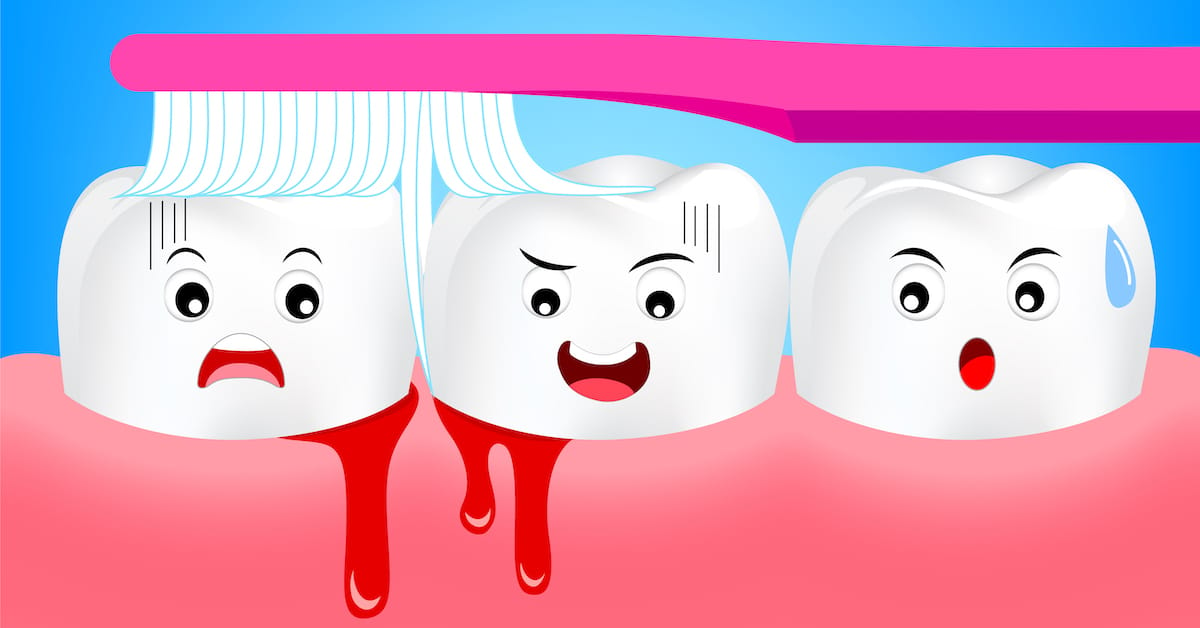
Caused by a bacteria buildup within mouth tissue, gingivitis is the earliest form of periodontal disease. The word gingivitis means inflammation of the gums. Common symptoms include red, swollen gums that bleed easily when a person brushes their teeth. In this stage, your dentist can help you get rid of gingivitis before it turns into something serious. Unfortunately, periodontal disease is the main reason why adults lose their teeth, and the beginning stages are completely preventable. Luckily, utilizing proper dental care and a visit to your dentist can help to prevent the disease from progressing.
While plaque and bacteria are the underlying causes of gum disease, there are a variety of age, gender and lifestyle factors that can increase your risk of developing it.
Most people don’t realize that they have gum disease until it has advanced into a more damaging form of the disease. Knowing the early signs of the condition can help to prevent permanent damage from being done to your teeth and gums. Symptoms you should keep an eye out for include:
Gingivitis will turn into periodontal disease if you don’t take care of the problem. As periodontal disease sets in, your gums and teeth will begin to pull away from one another, leading to the creation of pockets in between the two. These pockets will collect debris and become infected. The gum line will eventually be worn down and your teeth will become unstable.
Plaque can also move to the areas beneath the gum line. The inflammation and irritation caused by the toxins within the plaque will break down the bone and tissue beneath the teeth, causing the teeth and gums to further separate. This process also involves the further destruction of tissue and bone that support the teeth. When things have progressed this far, your dentist will only be able to prevent further damage, nothing can be done to reverse the damage already caused.
When the condition reaches its most advanced stages, your teeth will become loose and may fall out or need to be removed. People with diseases such as heart disease, respiratory disease or diabetes are at a higher risk of developing periodontitis.
There are many different kinds of periodontitis. The type that you are most at risk of developing depends on a variety of factors:
Frequently brushing and flossing your teeth, as well as following any other recommendations your dentist gives you, is the best way to reduce your chances of developing periodontal disease. If you believe that you suffer from this condition, you should contact an experienced dentist in Voorhees as soon as possible so that you can be treated. Contact our office as soon as you can so that we can schedule an appointment to get your oral health back on track.